Appointment reminders cut no-shows. Most clinics still do them by hand
The evidence for appointment reminders is overwhelming, yet most clinics still have staff calling patients one by one. Here is the reminder sequence that works, and how automation runs it.
Ammar Mahmood, Founder, Zeliks
4 min read
The evidence for appointment reminders is old, settled, and ignored. A BMJ Open systematic review and meta-analysis found that patients who received text notifications were 23% more likely to attend and 25% less likely to no-show. Verse.ai's 2026 roundup puts it similarly: automated reminders cut non-attendance by a weighted average of about 29%, and a 10-clinic peer-reviewed study found a mean no-show rate of 18.8%.
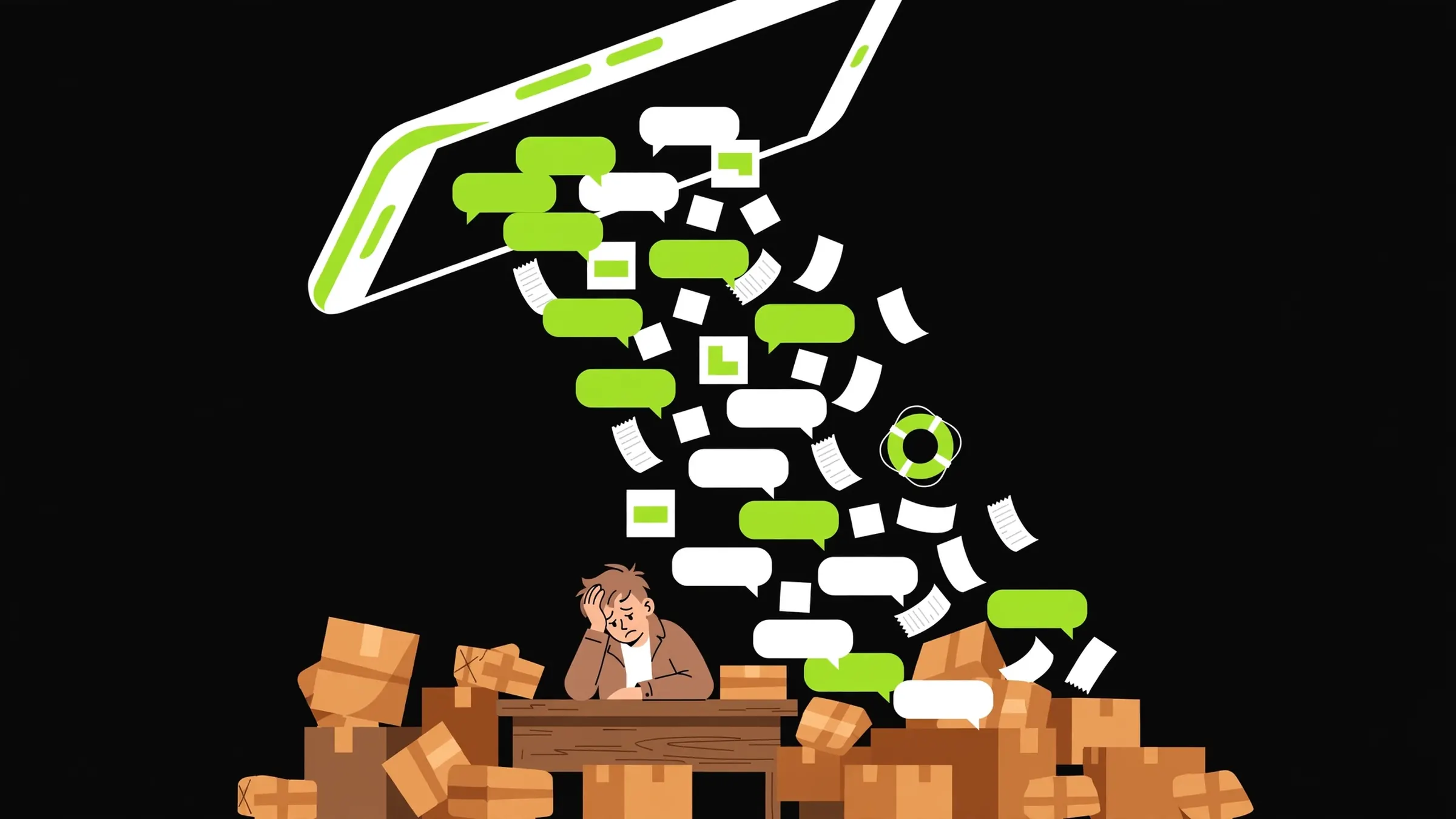
A February 2026 GlobeNewswire piece on WriteUpp cites systematic reviews finding an average 41% reduction across all reminder channels, and works the money: a practice seeing 150 patients a week at a 10% no-show rate loses over 60,000 pounds a year in recoverable revenue. That is a UK figure, but the arithmetic travels. And yet small clinics, salons, and service businesses in India still have staff calling patients one by one, the same manual work that buries small businesses in unread messages. Say a spice seller takes orders on WhatsApp: customer chats pile up by the hundred, and the one order that mattered is somewhere in the middle.
What staff do today, and why it fails
The current system in most small clinics: a receptionist calls every patient the day before. It takes hours. Patients do not pick up unknown numbers. The receptionist leaves voicemails nobody listens to, or sends individual WhatsApp messages one by one, retyping the same text forty times.
It fails for the same reason the screenshot-order flow fails: humans do not scale. The receptionist gets busy, the calls slip, the no-shows rise. And every no-show is an empty slot that a waitlisted patient would have paid for.
The reminder sequence that works
Three messages, each with a job. At booking: a confirmation with the date, time, doctor, and address, plus a line saying reply C to confirm and R to reschedule. The day before: a short reminder with the same details. The morning of: a nudge two hours before, with a maps link.
The reply part matters most. A reminder the patient cannot answer is a poster. A reminder they can answer with one letter is a conversation: confirmed, rescheduled, or freed up for someone else. Build every message so the patient can act in five seconds.
Write reminders people actually read
Keep every reminder under three lines. Name and time first: hi Priya, your appointment is tomorrow at 4 pm with Dr. Nair. Then the action: reply C to confirm, R to reschedule. That is it. No dear valued patient, no clinic letterhead tone, no paragraph about arriving fifteen minutes early.
Send from the same number the patient already messages. A reminder from an unknown bulk-sender number gets ignored or blocked. A reminder from the clinic's WhatsApp, the one they booked on, gets read.
The waitlist refill
Here is the part most clinics miss. When a patient reschedules or no-shows, that slot should go to the waitlist automatically, not sit empty until someone notices. A simple waitlist message, saying a 4 pm slot opened today and asking for a YES to take it, fills slots that would otherwise earn nothing.
This is where automation pays for itself visibly. One filled slot a day, at your average appointment value, times a month. Compare that to the cost of the reminders, which is a fraction of a staff hour. The math is not close.
Keep the waitlist short and honest: five to ten people who said yes to being contacted. Message them in order, first come first served, and stop at the first yes. A waitlist that spams twenty people for one slot trains everyone to ignore you.
Start with the booking flow, then add reminders
Reminders fix the after-booking problem. If the booking itself is still chaos, fix that first: our post on WhatsApp appointment booking for dental clinics covers confirmations and rescheduling by reply. Once booking is clean, the reminder sequence slots straight in.
You do not need new software or a new app. The reminders run on the WhatsApp number your patients already message. Same chat, same number, fewer empty slots.
Talk to Zeliks
Common questions
- Do appointment reminders actually reduce no-shows?
- Yes. A BMJ Open meta-analysis found text reminders made patients 23% more likely to attend and 25% less likely to no-show, and Verse.ai's 2026 roundup puts the average reduction near 29%.
- What is the best reminder sequence?
- Three messages: a confirmation at booking with reply-to-confirm, a reminder the day before, and a nudge two hours before with a maps link. Every message must be answerable in seconds.
- What is a waitlist refill?
- When a patient cancels or no-shows, the freed slot is offered to waitlisted patients automatically, usually by a short message asking for a YES to take it.
- Do I need new software for automated reminders?
- No. The reminders run on the WhatsApp number your patients already message. Same chat, same number.
Written by Ammar Mahmood, Founder of Zeliks. We build websites, apps, AI assistants and automation. About Zeliks